Joint hypermobility refers to a greater-than-normal range of movement within one or more joints due to increased laxity of connective tissues such as ligaments and joint capsules. It exists on a spectrum, ranging from asymptomatic hypermobility to hypermobility spectrum disorders (HSD) and hypermobile Ehlers-Danlos Syndrome.
Hypermobility is relatively common, particularly among children, females, dancers, gymnasts. While increased flexibility can be a superpower in sports and performing arts, excessive mobility may compromise joint stability and increase the risk of joint pain and injuries as well as fatigue.

Why Physiotherapy is Essential
Historically, management focused on avoiding activities that provoked symptoms. Modern physiotherapy adopts a different approach by helping patients build resilience and improve physical capacity.
Research and expert consensus suggest that exercise is one of the most effective interventions for symptomatic hypermobility. Strengthening muscles around hypermobile joints improves dynamic stability, reduces injury risk, and enhances function
Many hypermobile patients have reduced awareness of joint position. Often children (and adults!) are considered ‘clumsy’ as they tend to bump into things as they are less able to assess their body position in space. Children may think they are not good at sports and withdraw from participating. Identifying a hypermobile child (or adult) can help them choose the sports and activities that they will be able to use their flexibility to their advantage. It also allows for effective exercise prescription to overcome the challenges that hypermobility can bring.
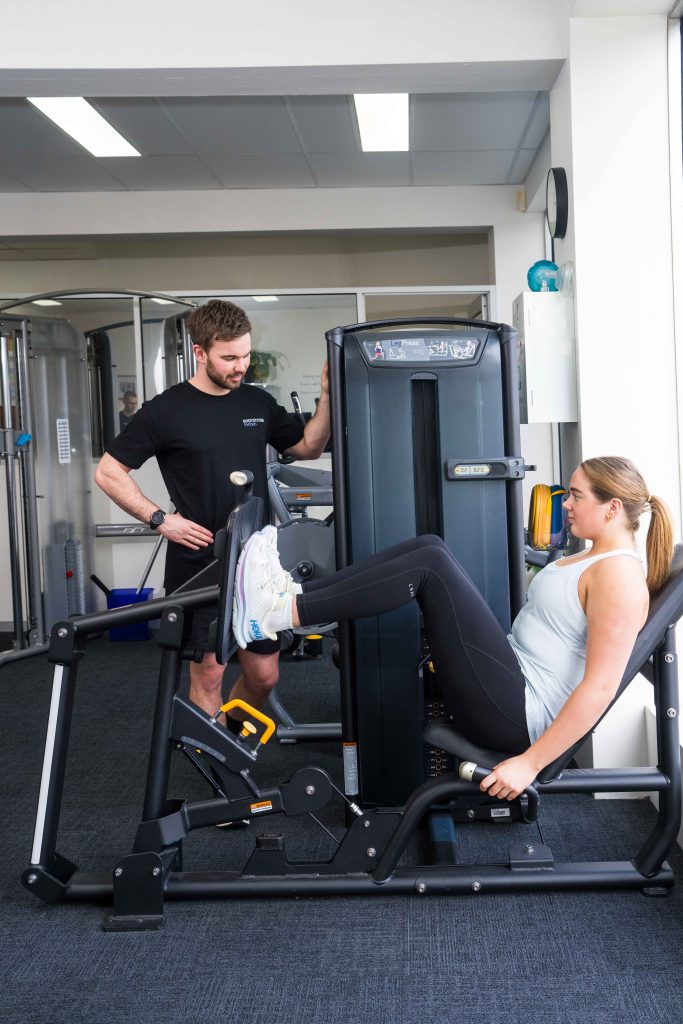
Strength Training
Strength training is considered foundational because stronger muscles provide improved joint control and stability.
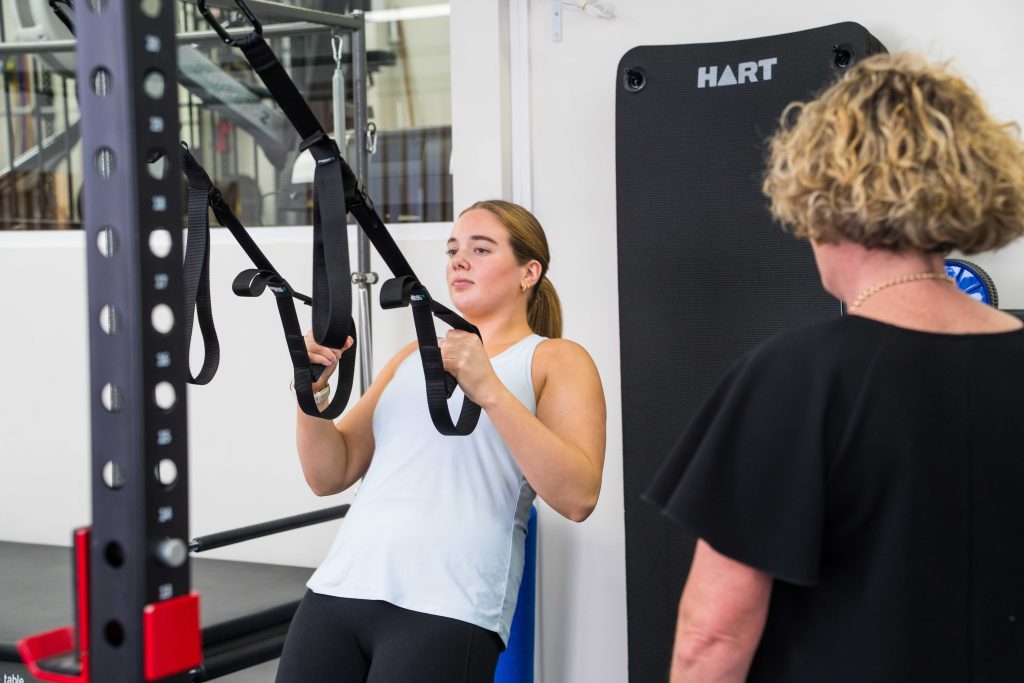
Balance and Proprioceptive Training
These improve neuromuscular control and can reduce recurrent injuries.
Pacing and Energy Management
Fatigue is common among individuals with hypermobility. Physiotherapists often teach pacing strategies to avoid the “boom-and-bust” cycle, where excessive activity is followed by prolonged symptom flare-ups.
Exercise Considerations and Precautions
Exercise should be individualized according to symptoms, goals, and overall fitness levels. Often excessive end range stretching is not suitable.
Key Takeaways
✅ Hypermobility exists on a spectrum from asymptomatic flexibility to complex systemic disorders.
✅ Physiotherapy is considered a cornerstone of management.
✅ Strength training, proprioceptive exercises, and pacing strategies are more beneficial than excessive stretching.
✅ Treatment should focus on improving stability, function, confidence, and quality of life.
✅ Individualized exercise prescription remains the gold standard for long-term management.

Fiona Hamilton
APA Musculoskeletal Physiotherapist
Director
References (APA 7th Edition)
Castori, M., Tinkle, B., Levy, H., Grahame, R., Malfait, F., & Hakim, A. (2017). A framework for the classification of joint hypermobility and related conditions. American Journal of Medical Genetics Part C: Seminars in Medical Genetics, 175(1), 148-157.
Malfait, F., Castori, M., Francomano, C. A., Giunta, C., Kosho, T., & Byers, P. H. (2017). The 2017 international classification of the Ehlers-Danlos syndromes. American Journal of Medical Genetics Part C: Seminars in Medical Genetics, 175(1), 8-26.
Tofts, L. J., Simmonds, J., Schwartz, S. B., Richheimer, R. M., O’Connor, C., Elias, E., Engelbert, R., Cleary, K., Tinkle, B. T., Kline, A. D., Hakim, A. J., van Rossum, M. A. J., & Pacey, V. (2023). Pediatric joint hypermobility: A diagnostic framework and narrative review. Orphanet Journal of Rare Diseases, 18(1), 104. https://doi.org/10.1186/s13023-023-02717-2
National Health Service. (2025). Joint hypermobility syndrome. https://www.nhs.uk/conditions/joint-hypermobility-syndrome/
The Ehlers-Danlos Society. (2025). Physical therapy. https://www.ehlers-danlos.com/physical-therapy/
The Ehlers-Danlos Society. (2025). Assessing joint hypermobility. https://www.ehlers-danlos.com/assessing-joint-hypermobility/
Parry, J. (2025). Physiotherapy for adults with hypermobile Ehlers-Danlos syndrome and hypermobility spectrum disorders. The Ehlers-Danlos Support UK.
Parry, J. (2025). Exercise and movement for adults with hypermobile Ehlers-Danlos syndrome and hypermobility spectrum disorders. The Ehlers-Danlos Support UK.