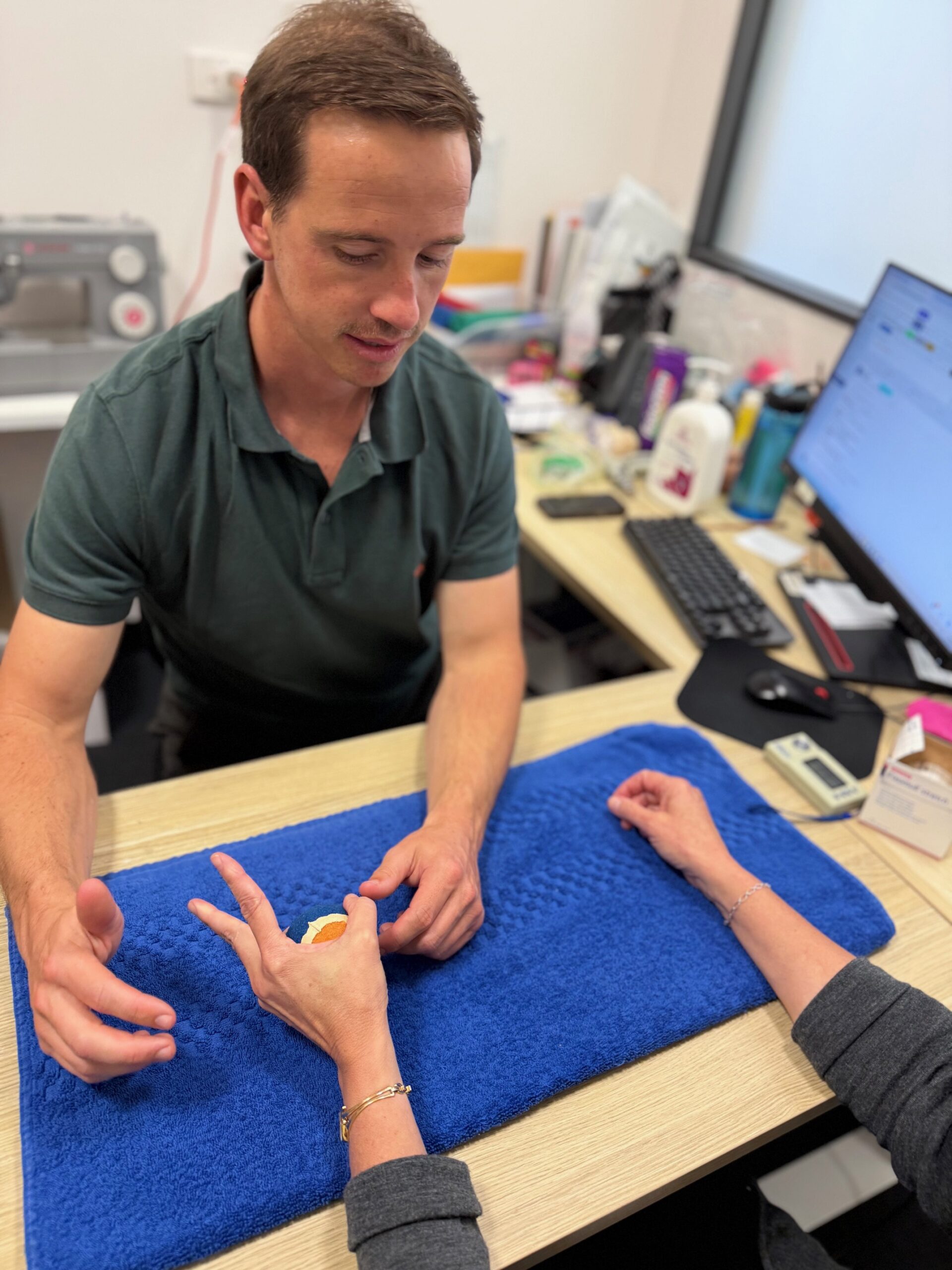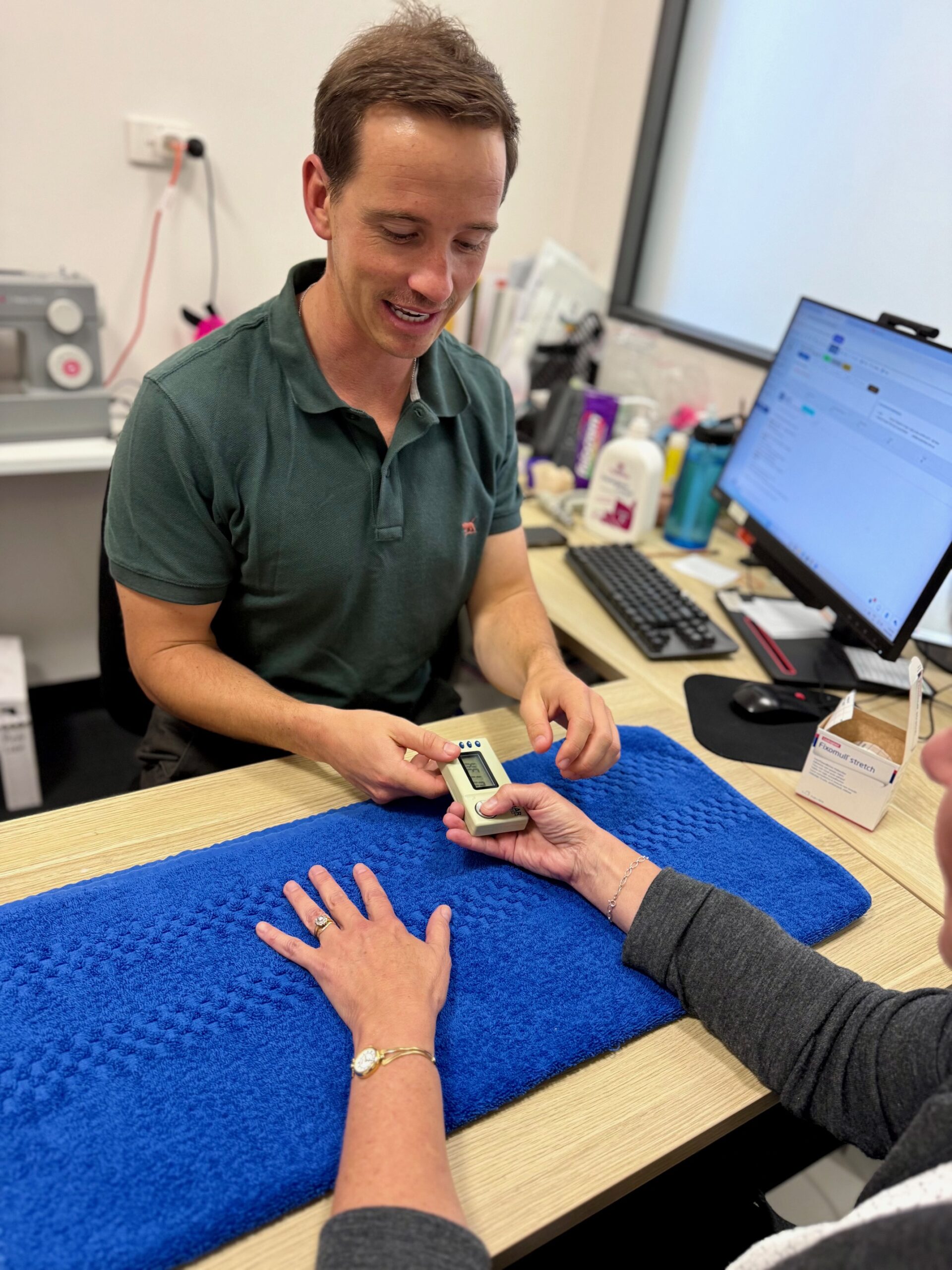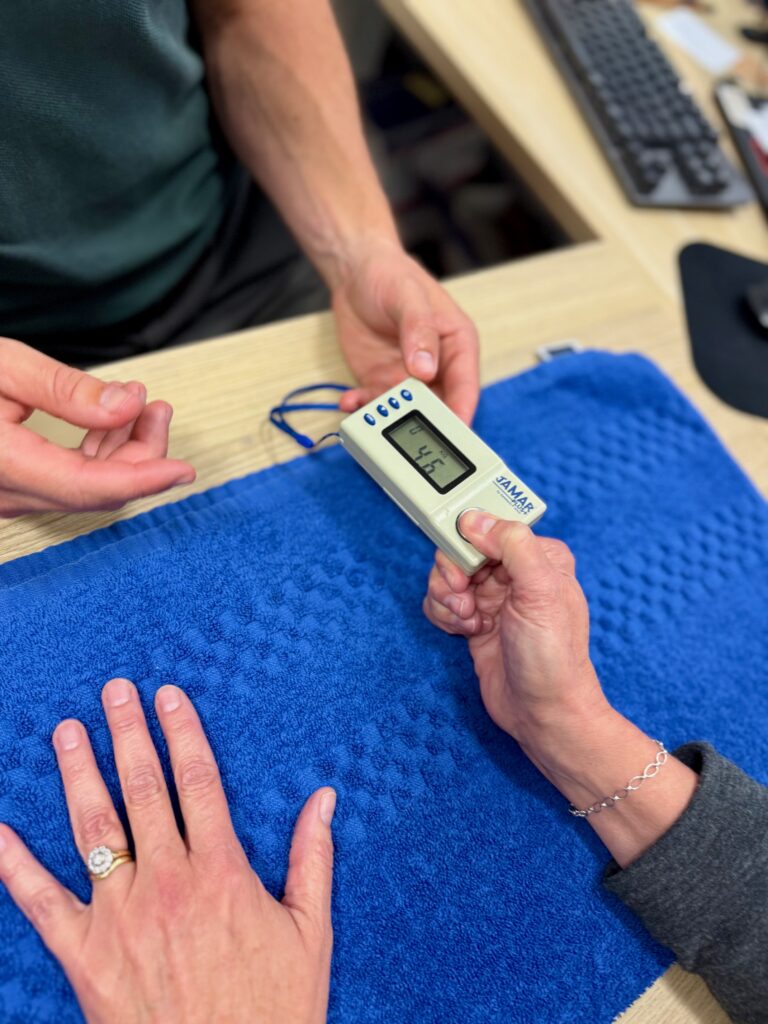
Injuries to the thumb can have a surprisingly large impact on daily function. One of the most common thumb ligament injuries is Skier’s thumb, a condition affecting the ulnar collateral ligament (UCL) of the thumb’s metacarpophalangeal (MCP) joint. This ligament plays a crucial role in grip strength and pinch stability, meaning an injury can significantly affect tasks such as opening jars, writing, or holding ski poles.
Physiotherapy plays an important role in both conservative management and rehabilitation after surgery, helping restore stability, strength, and confidence in the thumb.
Skier’s Thumb occurs when the UCL of the thumb is stretched or torn, usually due to a forceful outward movement of the thumb.
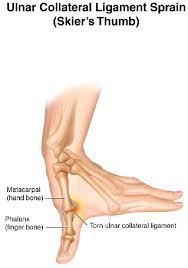
Common Causes • Falling while holding a ski pole (classic mechanism) • Ball sports injuries • Falls onto an outstretched hand • Sudden thumb hyper-abduction (thumb pulled away from the hand)
If the ligament is completely torn or displaced (sometimes called a Stener Lesion), surgical repair may be required.
Signs and Symptoms
People with skier’s thumb often report:
• Pain and tenderness on the inside of the thumb joint • Swelling and bruising around the MCP joint • Weak grip or pinch strength • Difficulty holding objects • Instability of the thumb
Early assessment is important to determine whether the ligament is partially torn (often managed conservatively) or fully ruptured (may require surgery).
The Role of Physiotherapy
Physiotherapy aims to protect healing tissue while restoring thumb mobility, strength, and function.
Treatment typically progresses through several phases.
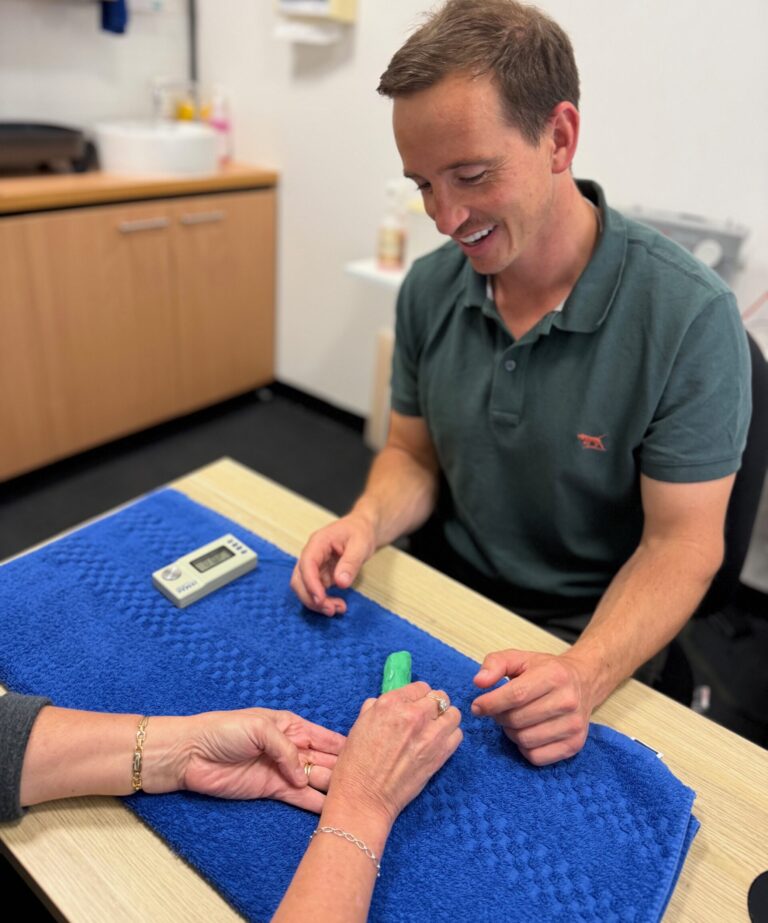
Phase 1: Protection and Immobilisation
In the early stages, the priority is allowing the ligament to heal. Management may include:
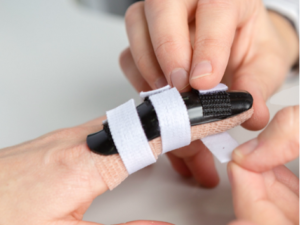
• Thumb splinting or bracing – typically with custom thermoplastic skiers thumb • Activity modification • Education on protecting the thumb during daily tasks • Gentle movement of nearby joints to avoid stiffness
Physiotherapists may also use techniques to manage swelling and pain.
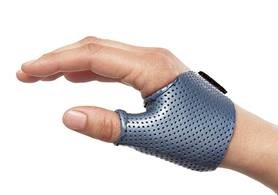
Phase 2: Restore Mobility
Once healing has progressed and immobilisation is reduced, treatment focuses on gradually restoring range of motion. This may include:
• Gentle thumb flexion and extension exercises • Controlled thumb opposition movements • Soft tissue mobilisation to reduce stiffness
Progression must be gradual to avoid overstressing the healing ligament.
Phase 3: Strengthening and Stability
Strengthening exercises help restore thumb function and prevent reinjury. Common physiotherapy exercises include:
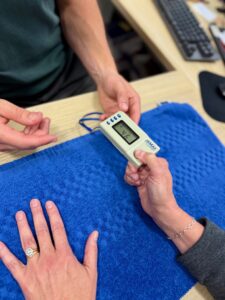
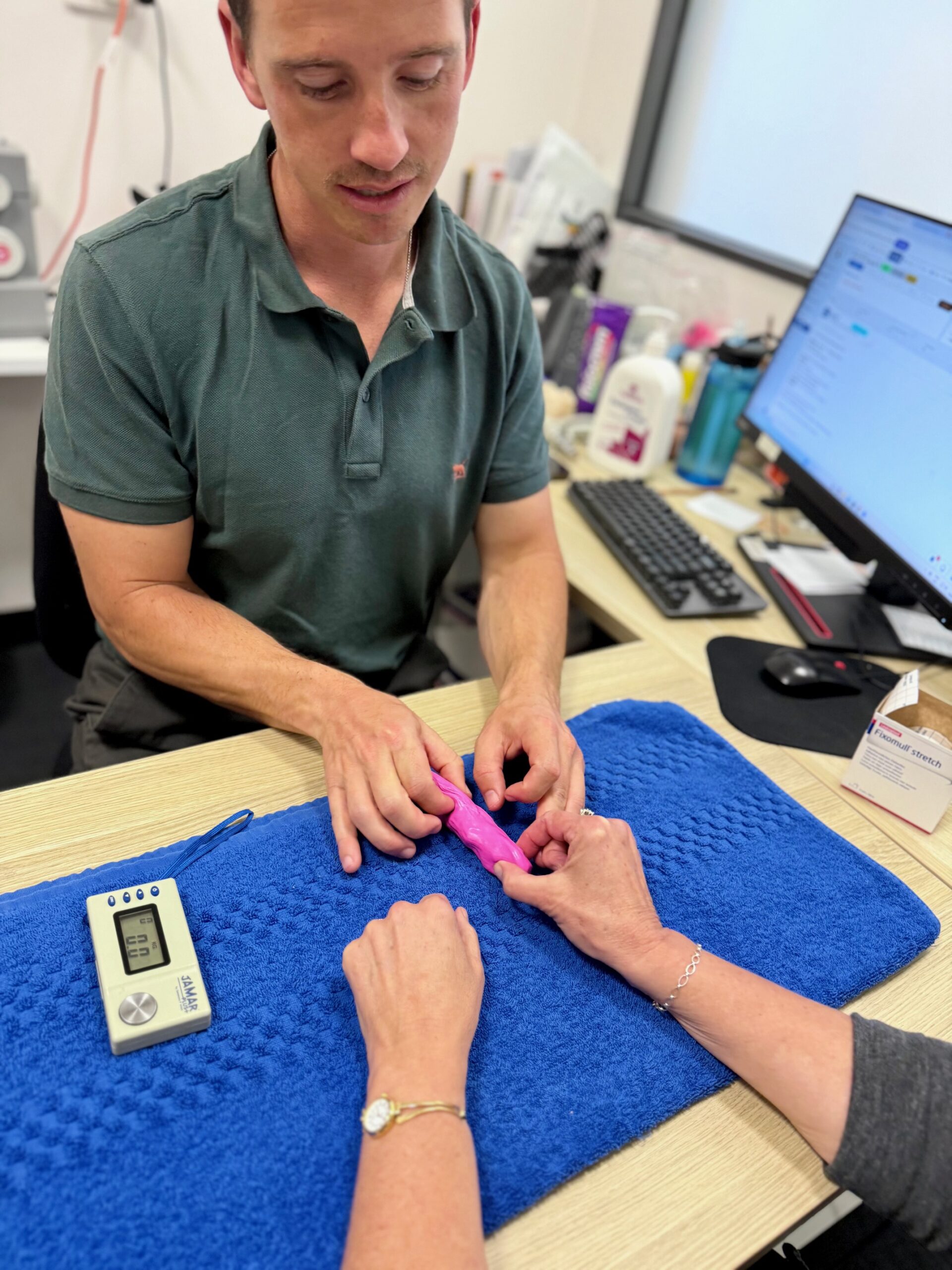
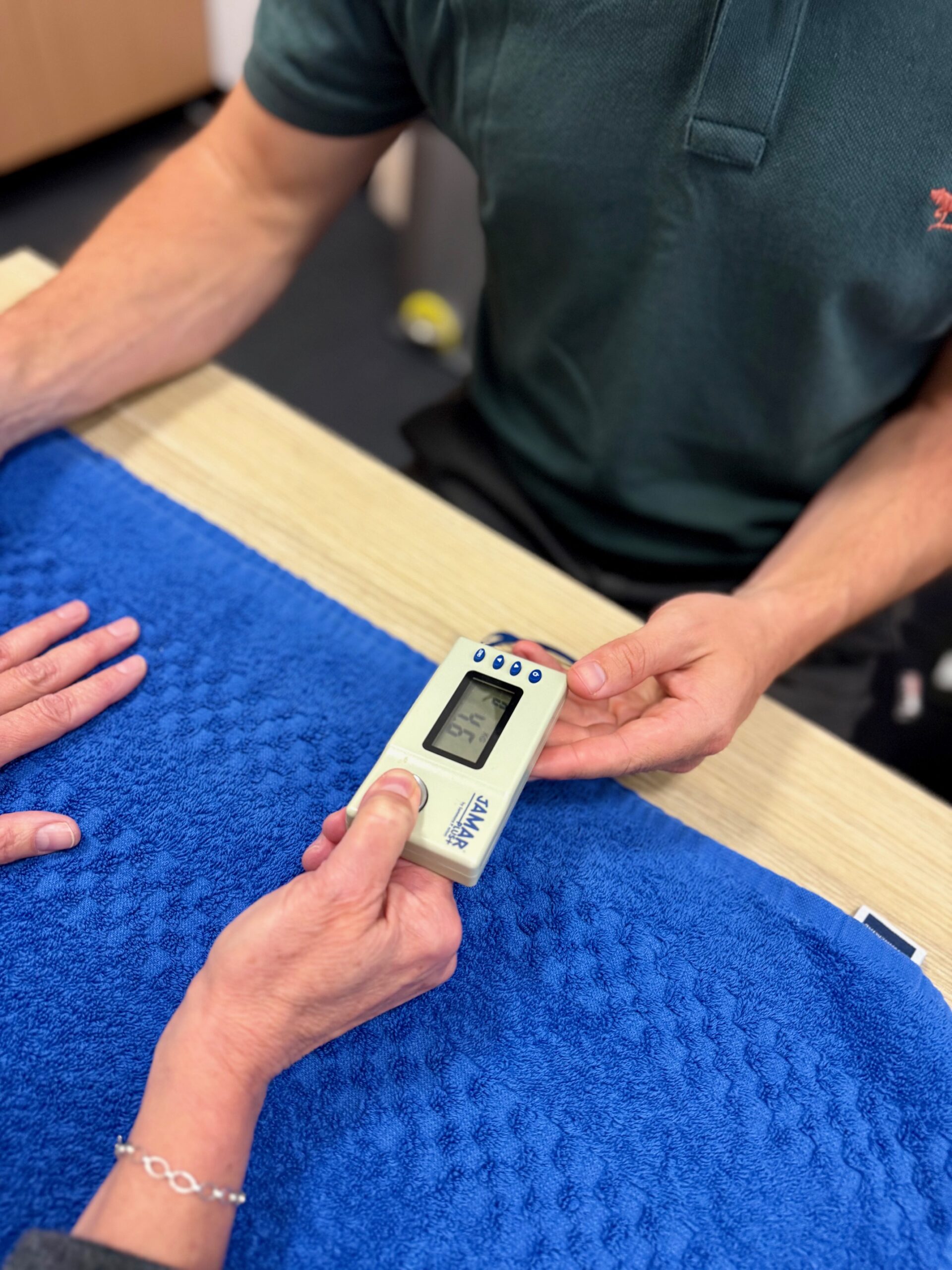
• Pinch strengthening with therapy putty • Grip strengthening with weights or gripper devices • Intrinsic thumb muscle strengthening with rubber bands or putty • Functional hand tasks (grasping, gripping, and manipulating objects)
At this stage, physiotherapy also targets dynamic stability of the thumb.
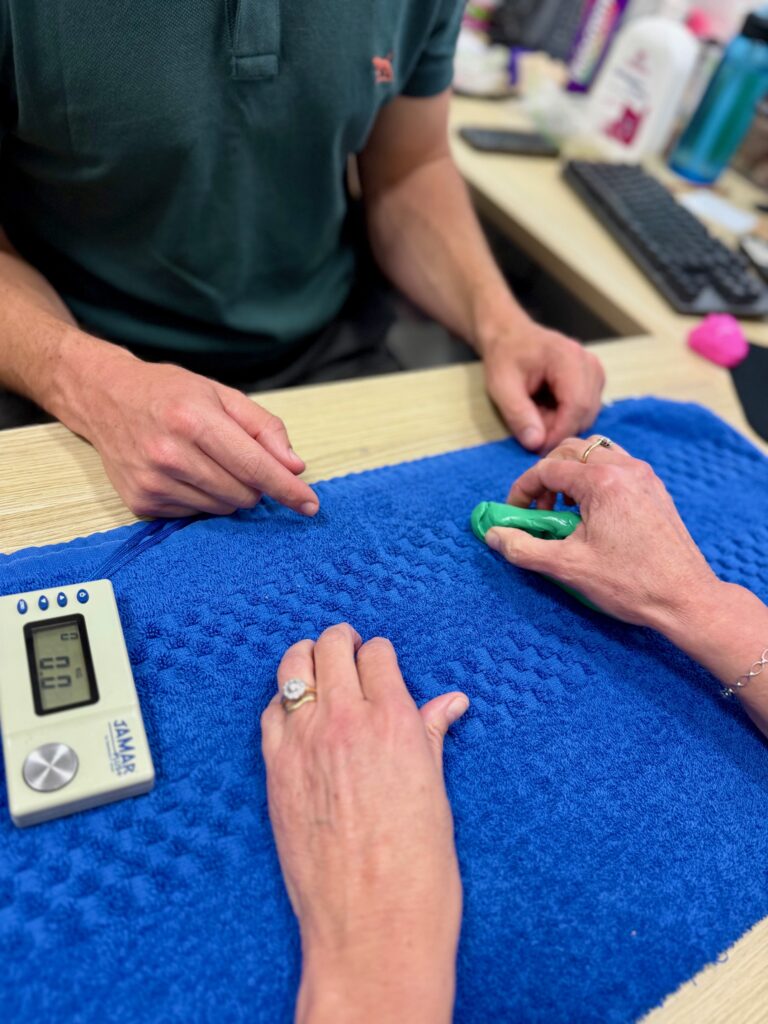
Phase 4: Return to Sport and Function
For athletes, rehabilitation progresses toward sport-specific loading.
Examples include: • Simulated pole grip for skiers • Ball handling drills • Gradual return to weight bearing / loading / gripping
Taping or bracing may be recommended during the early return to sport.
When Surgery Is Required
If the ligament is completely ruptured or displaced, surgical repair may be necessary. Physiotherapy is then crucial post-operative to protect the repair initially with a custom thermoplastic splint and then rehabilitation to restore:
• Range of motion • Strength • Grip and pinch function • Confidence in the injured thumb
Full recovery typically takes 8–12 weeks, although this varies depending on injury severity and treatment.
Key Takeaways
• Skier’s Thumb is a ligament injury affecting thumb stability and grip strength.
• Early diagnosis is important to determine whether surgery is required.
• Physiotherapy helps guide recovery through protection, mobility restoration, strengthening, and return to activity.
• With appropriate treatment, most people regain excellent thumb function.

Accredited Hand Therapist (Aus Hand Therapy Association)