The story for years has been, if a young athlete is to specialise early, they will have a greater chance at success in their chosen sport. However, the research now refutes this statement for most sports. To begin changing the narrative, a position statement from the Australasian College of Sport and Exercise Physicians (ACSEP) and the Australian Institute of Sport (AIS) was released in 2019 on Early Sport Specialisation in Young Athletes. It concluded that early sport specialisation is generally not necessary for future sporting success and may increase the risk of injury, burnout and dropping out of sport altogether.
What is early sport specialisation?
Early specialisation is defined as specialising in a single sport before the age of 12. The ACSEP and AIS define sport specialisation as the intensive, year-round training in a single sport at the exclusion of other sports.
There are three criteria to consider when assessing the degree of a young athletes specialisation as reported by the ACSEP and AIS. These are:
a. Does the athlete play or train for more than eight months per year in a given sport?
b. Does the athlete choose a main single sport?
c. Has the athlete stopped playing other sports to focus on a single sport?
The research shows athletes who wait until 12 years old to specialise in their chosen sport have better success rates.
Why playing multiple sports matters
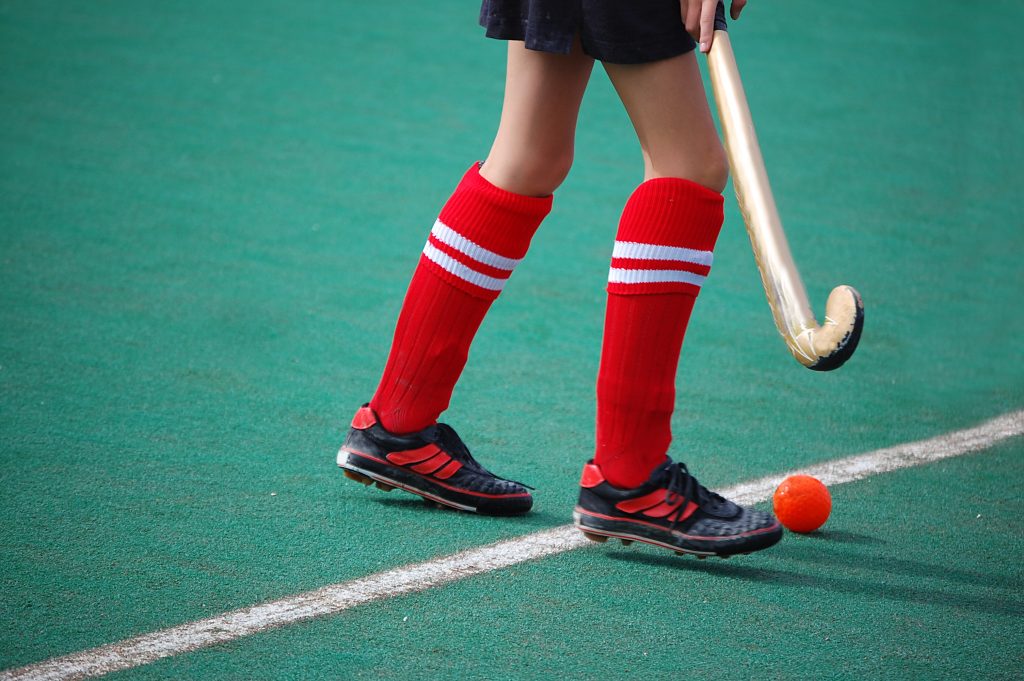
Young athletes who participate in a variety of sports develop a broader range of movement skills, including balance, coordination, agility and strength. These fundamental movement skills often transfer between sports and can create a stronger athletic foundation than focusing on one activity alone.
Playing different sports also exposes young athletes to different coaching styles, teammates and competitive environments. This variety can improve adaptability, problem-solving and overall athletic development while helping keep sport enjoyable.
The risks of specialising too early
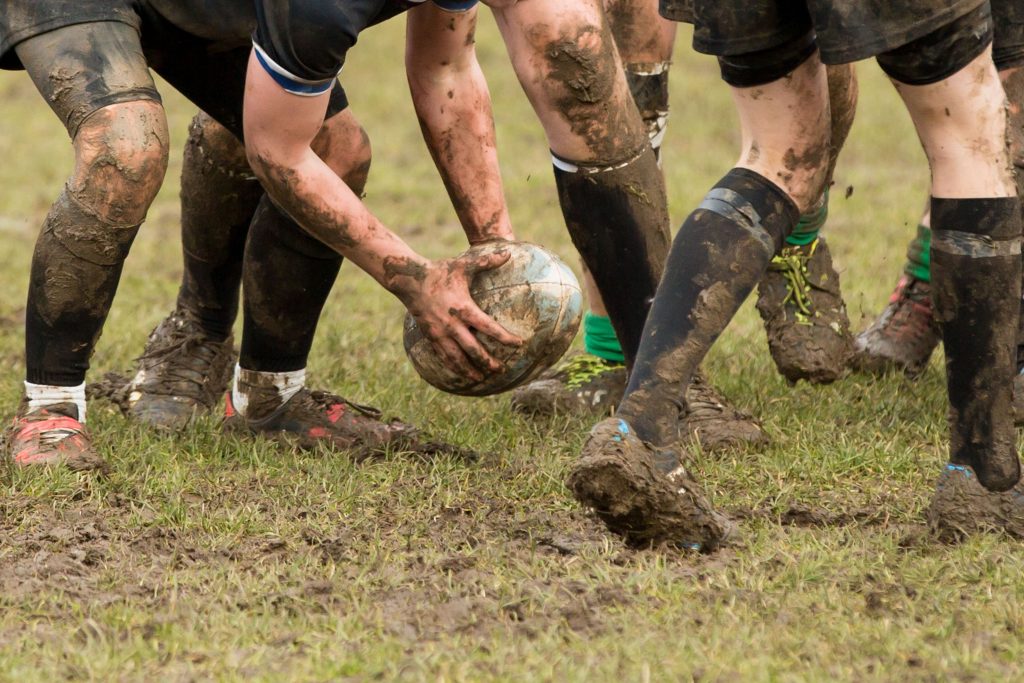
One of the largest concerns surrounding early specialisation is the increased risk of overuse injuries. Research consistently shows that highly specialised young athletes experience higher rates of overuse injuries than those who continue to participate in multiple sports.
Early specialisation has also been associated with:
- Increased risk of burnout
- Reduced enjoyment of sport
- Greater psychological stress
- Earlier withdrawal from organised sport
- Lower long-term participation in physical activity
For many young people, these outcomes occur well before they have the opportunity to reach their athletic potential.
What’s the right training load
In this position statement, training load has also been discussed. To minimise the risk of early specialisation and training volume the ASCEP and AIS recommends to:
- Limit total sport participation (training and competition) to no more than 16 hours per week, irrespective of the total number of sports played,
- Ensure the ratio of hours spent in organised sport (training and competition) to those spent in ‘free play’ does not exceed 2:1
- Limit hours spent in organised sport (training and competition) per week such that they do not exceed the athlete’s age. E.g. a 10 year old should not train more than 10 hours per week across all sports (this supersedes point 1 above where relevant)
How can we help?
The conversation around youth sport is gradually shifting from early success to long-term athlete development. For most young athletes, the evidence is clear that specialising later offers the best chance of achieving both long-term performance and long-term health.
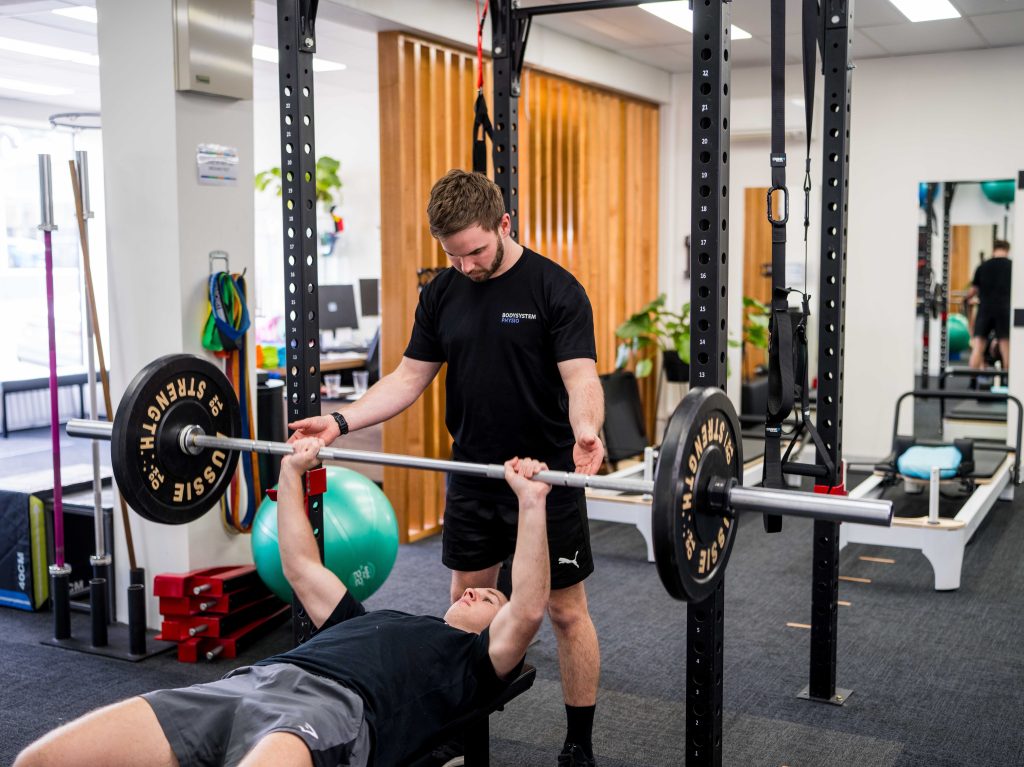
At BODYSYSTEM we can help discuss training loads, treat those overuse injuries when they arise and also offer sport specific screenings in a range of sports once athletes have decided to specialise to assist them in reaching their goals.
References: Australasian College of Sport and Exercise Physicians. (2019).
Sport specialisation in young athletes
(Position statement). https://www.acsep.org.au/icms_docs/340700_position-statement–sport-specialisation-in-young-athletes.pdf

Jessica Richards
Physiotherapist