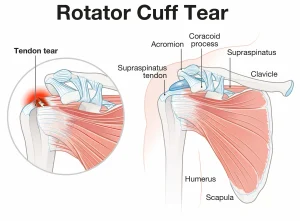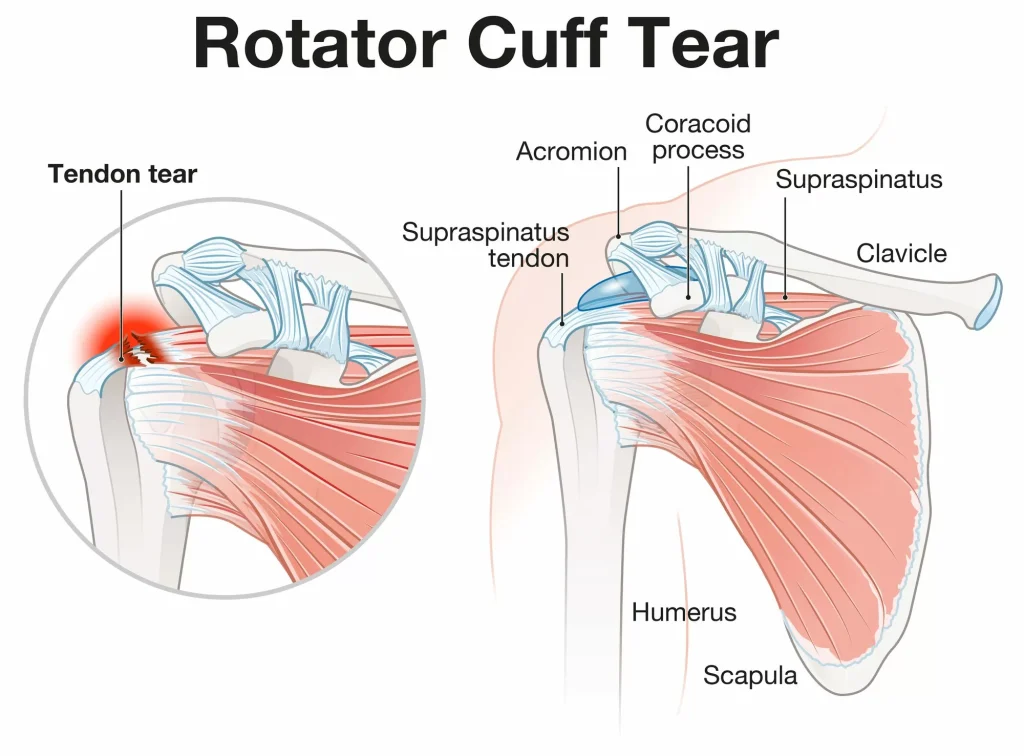
A rotator cuff tear can significantly affect a person’s ability to work, exercise and perform everyday activities. These injuries can occur with both trauma or generalised overuse and occasionally need to be repaired surgically. However, the operation is only one part of the recovery process. The role of physiotherapy is to guide patients through their recovery, aiming to get their range of motion, strength and function back at appropriate intervals depending on their exact surgery and circumstances.
Rotator cuff surgery and how does physiotherapy help?
There are two primary surgeries for the rotator cuff, and their management does differ quite a bit. The rotator cuff repair involves repairing the torn tendon, typically by reattaching it to the bone. Compared to a subarcromial decompression, which aims to improve the space around the rotator cuff tendons by removing irritated tissue.
Rotator Cuff Repair vs Decompression
Although both procedures are used to treat shoulder problems, rotator cuff repairs typically take longer to recover as they require a period of rest to allow the tendon to heal, prior to returning to loading.
Unlike a rotator cuff repair, with decompression surgery, there is no tendon repair that needs to heal back onto the bone, thus loading can start earlier.
As a result, the rehabilitation process for these two surgeries varies considerably.
Your physiotherapist will adjust your loading based on the exact surgical procedure, as well as ongoing symptoms and the surgeon’s advice.
Why is physiotherapy important after surgery?
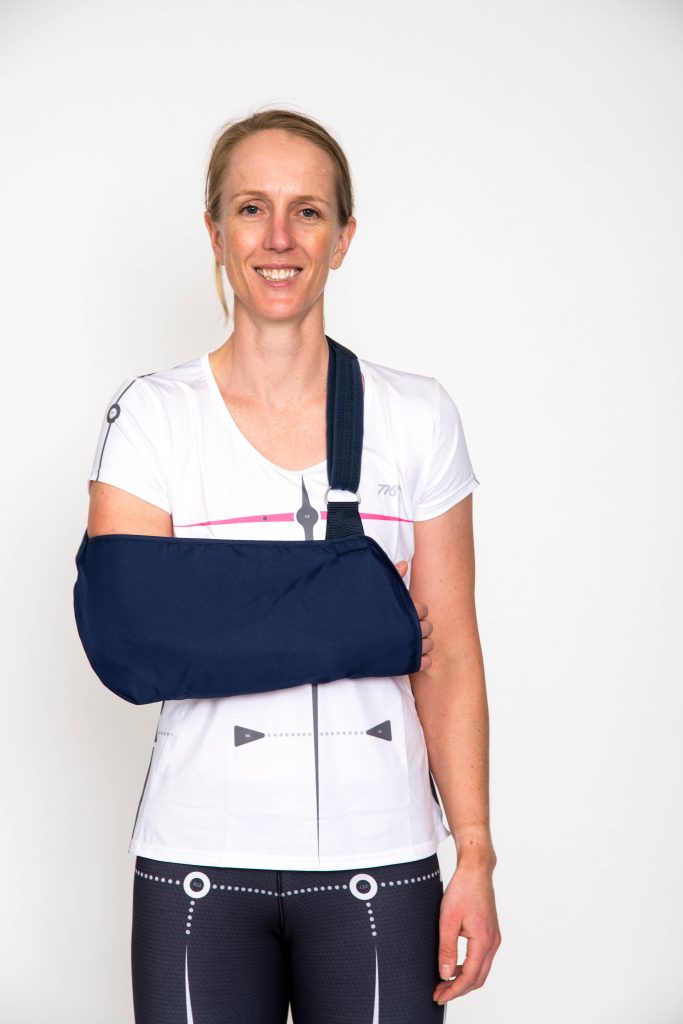
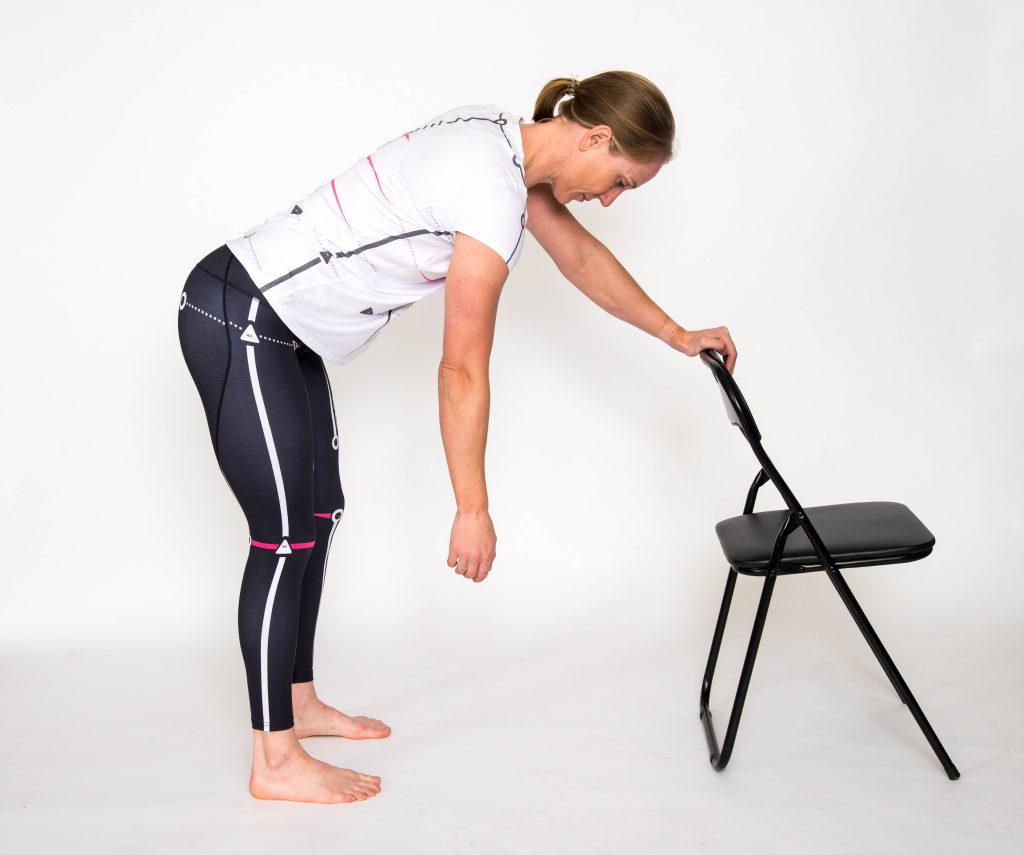
Following rotator cuff repair, the shoulder needs time to heal. Initially, the repaired tendon is vulnerable, and typically it is kept in a sling for 6 weeks. During this phase physiotherapy usually begins aiming to slowly return some of the lost shoulder range progressively to look after the repair site.
This typically will look like gentle supported stretching by using the unaffected arm. Followed by progressively more intense stretching as the tendon healing is completed.
Rebuilding strength and function
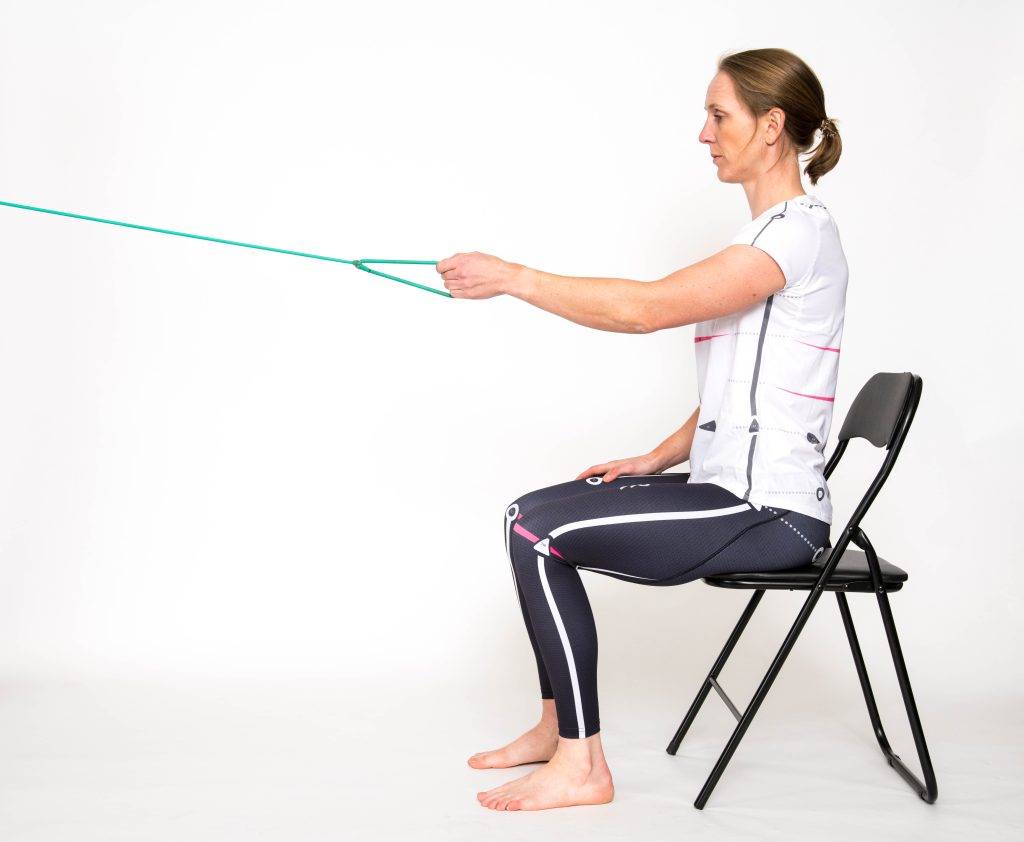
Once sufficient healing has occurred, strengthening becomes an increasingly important part of rehabilitation. Unfortunately due to the extended period of rest to allow the rotator cuff tendon to heal, it is normal to have lost quite a lot of strength.
Returning to this typically starts around the supporting muscles around the shoulder blade. Again, once sufficient healing has taken place the gentle strengthening process begins for the rotator cuff muscles. This is often the most challenging period, as it will pull on where the surgical site is, thus care is needed.
Timing on when and how hard these exercise programs are highly dependent on the specifics of the surgery, thus, these programs should be tailored to the individual’s needs.
Strengthening is not simply about returning to “normal” strength. Rehabilitation should also prepare the shoulder for the activities that matter to the individual, whether that means returning to work, swimming, gym training, throwing sports or everyday household tasks.
Returning to normal activities
Eventually the goal is to get you back to your “normal” activities. Ensuring that you have a strong and mobile shoulder prior to your return to: swimming, work, the gym is vital to reduce your risk of a relapse.
We all live different lives with different goals, and like this, rotator cuff repairs are also all different. The size, location, surgical technique, and many other factors will impact recovery and your timeline. Thus, it’s important to have a plan that is appropriate but also tailored to your goals.
The key to successful recovery
Successful recovery following rotator cuff repair will require patience, consistency and appropriate rehabilitation.
Physiotherapy aims to provide a structured plan, helping patients protect the surgical repair while gradually rebuilding their range of motion, strength and confidence.
Nicholas Cannell
APA Titled Sports & Exercise Physiotherapist