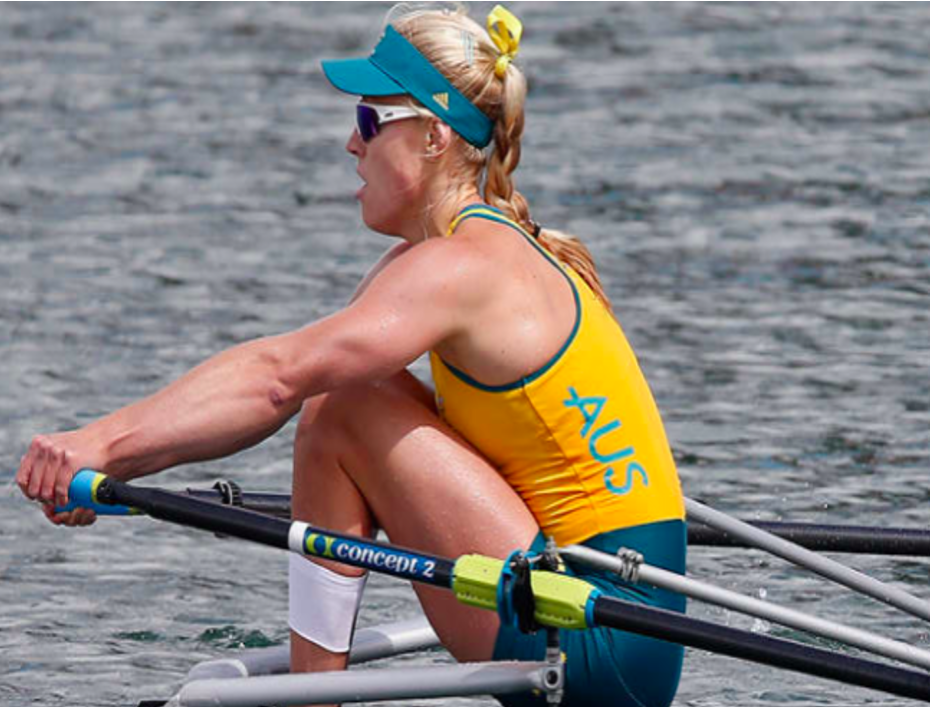
Youth rowing presents incredible opportunities for athletic development, but it also places significant demands on growing bodies. As a sports physiotherapist working with rowers across school, state, national, and Olympic pathways, I’ve consistently observed that the athletes who progress most successfully are not necessarily those who train the hardest. Rather, they are the athletes who develop strong movement foundations, manage training loads effectively, recover well, and address small issues before they become major injuries.
Performance Begins With Movement
Rowing is a repetitive, highly technical sport. Every stroke requires coordination between the legs, pelvis, trunk, and upper body. When an athlete lacks mobility or strength in one area, another part of the body is often forced to compensate.
In my experience, the physical qualities that have the greatest impact on both injury prevention and performance are surprisingly consistent. Adequate hip flexion, good hamstring length, strong abdominal control, sufficient ankle mobility, and well-developed gluteal and back strength are fundamental requirements for efficient rowing.
When these foundations are in place, rowers can achieve stronger positions in the boat, transfer power more effectively, and reduce unnecessary stress on joints and soft tissues.

Growth Changes Everything
During periods of rapid growth, flexibility often decreases, movement patterns change, and coordination can temporarily decline. This is particularly noticeable in rowing, where athletes must repeatedly achieve large amounts of hip flexion at the catch position.
I frequently see young rowers who experience a growth spurt and suddenly struggle to achieve positions that previously felt comfortable. This is why hip flexibility and mobility work should form a regular part of every athlete’s training program, particularly during adolescence.
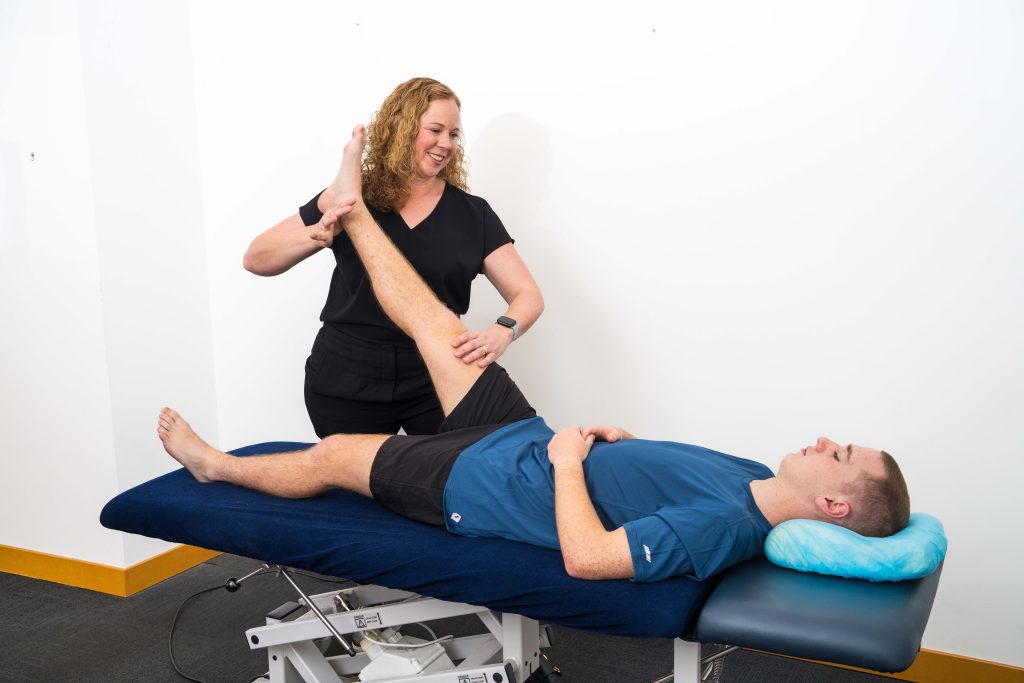
Hamstring flexibility is often one of the most limiting factors affecting rowing technique in the growing rower. Consistent stretching work can help athletes maintain efficient positions as they grow.
The Importance of Trunk Strength
Many people associate rowing performance with leg power. While the legs are undoubtedly important, the trunk is what allows force to be transferred efficiently from the legs through the body and into the handle.
Strong abdominal and posterior trunk muscles help athletes maintain technique throughout training sessions and races. Without adequate endurance in these muscle groups, fatigue can lead to poor movement patterns, reduced performance, and increased injury risk.
For this reason, I encourage rowers to view core training not as an optional extra, but as a critical component of their athletic development. A strong trunk supports both performance and injury resilience.
Training More Is Not Always Better
One of the most common misconceptions in youth sport is that increased training automatically produces better results.
In reality, injuries often occur when training loads increase too quickly, when athletes attempt to make up for missed training, or when life stressors are not adequately considered.
Training load should always be considered as a combination of volume and intensity. School demands, illness, examinations, holidays, interrupted training, and recovery capacity all influence how much workload an athlete can safely tolerate.
A useful rule of thumb for young athletes is that weekly training hours should not consistently exceed their age in years. While this guideline is not absolute, it serves as a valuable reminder that developing athletes require balance between training, education, recovery, and general life demands.
Why Low Back Pain Should Never Be Ignored
Low back pain remains one of the most common injuries I encounter in rowers.
Unfortunately, many young athletes delay reporting symptoms because they fear losing selection opportunities or disappointing coaches and teammates. In my experience, this approach almost always prolongs recovery and negatively affects performance.
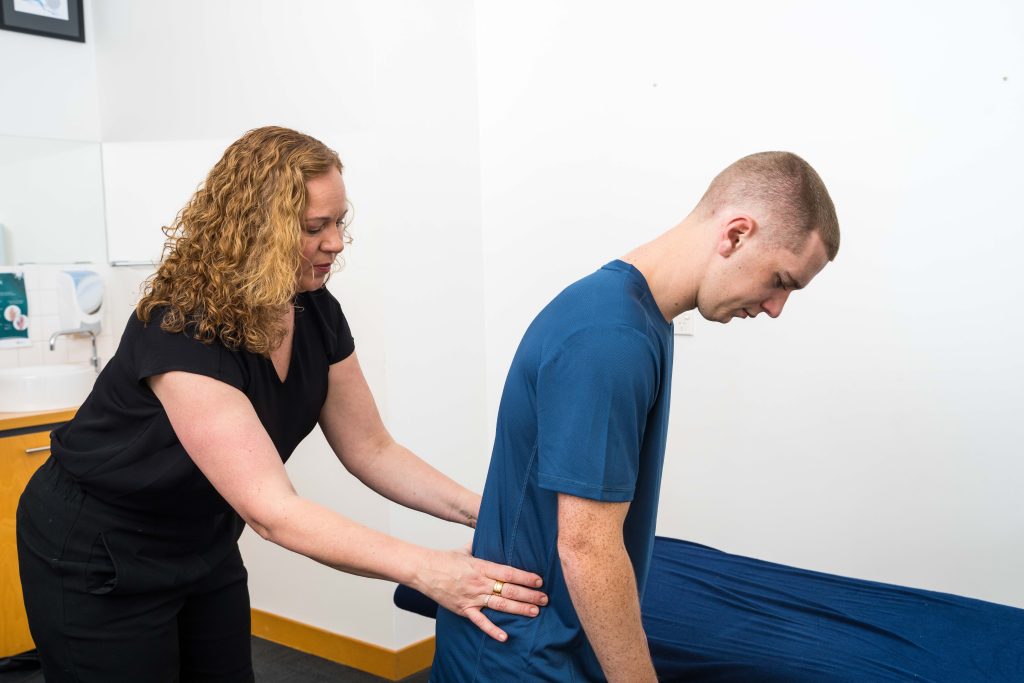
Athletes should seek assessment if they experience sharp pain, worsening symptoms when rowing, pain that persists after training, or discomfort that alters their technique. Early intervention allows training to be modified appropriately and often reduces the total time lost from sport.
Perhaps most importantly, athletes, parents, coaches, and health professionals must work together. Open communication creates an environment where issues are identified early and managed effectively before they become more serious.
Fuel the Athlete and the Growing Body
Nutrition is often underestimated in school-aged rowing.
Young rowers face the unique challenge of supporting both athletic performance and physical growth. The energy requirements associated with these two processes can be substantial, and many athletes unintentionally under-fuel
Insufficient energy availability is associated with increased rates of injury, illness, poor recovery, and reduced training adaptation. Athletes should focus on consuming adequate carbohydrates to support training demands and sufficient protein to facilitate recovery and growth
Never Underestimate Sleep
If there is one recovery strategy that consistently delivers results, it is sleep.
Sleep is essential for physical recovery, tissue repair, learning, and adaptation to training. Yet it is often the first thing sacrificed when athletes attempt to balance school, training, social activities, and technology use.
Young athletes who consistently prioritise sleep, tend to recover more effectively, tolerate higher training loads, and maintain better overall health.
The Bottom Line
Injury prevention and performance are not separate goals; they are intrinsically linked.
The healthiest and most successful young rowers are those who develop excellent movement quality, maintain flexibility throughout growth, build trunk and lower-limb strength, manage training loads intelligently, fuel appropriately, prioritise sleep, and seek help early when problems arise.
A long-term approach will almost always outperform a short-term one. By focusing on sustainable development rather than simply accumulating more training, young athletes place themselves in the best position to enjoy rowing, remain injury free, and achieve their full potential.
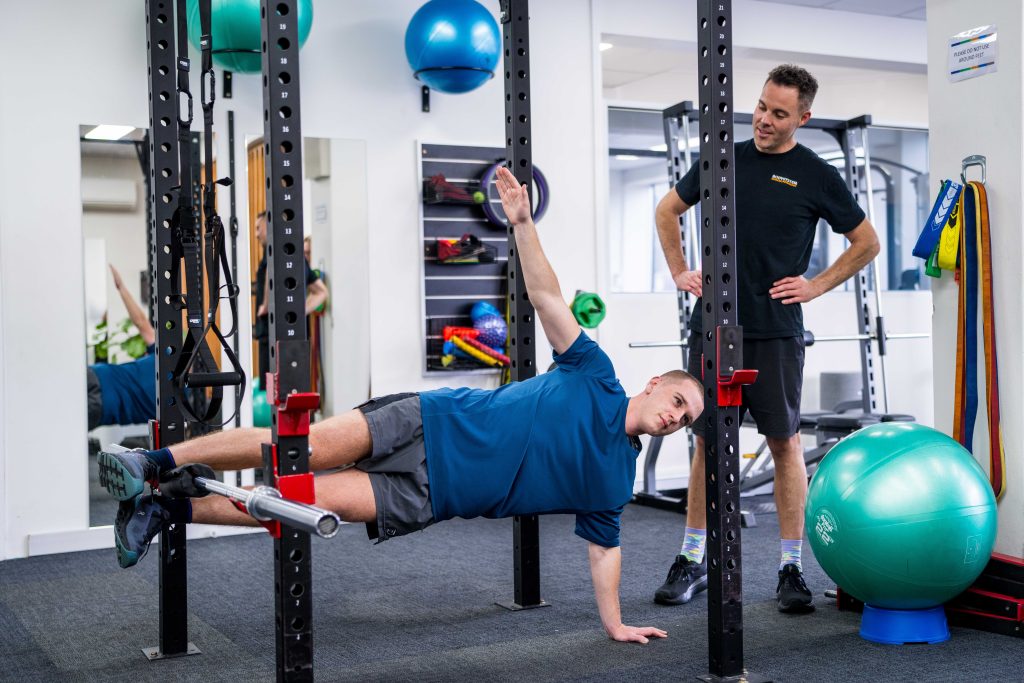
BODYSYSTEM Physiotherapists and Exercise Physiologists can conduct injury prevention assessments, known as sports specific screenings, to identify areas for individual, school and club level athletes to improve.

Kellie Wilkie
Director
APA Titled Sports & Exercise Physiotherapist