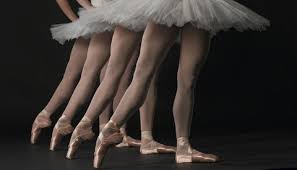
Dancing has long been thought of as an art rather than a sport. But with the unique demands of flexibility, cardio, strength, jumping and speed dancers should definitely be considered athletes. And as with any athlete, injury prevention is important for ensuring longevity and optimising performance.
This is particularly important in younger dancers who are developing their dance skills at the same time as their bodies are growing. But for dancers of any age, when we look at injury prevention, we take a holistic approach and consider factors related to both safe performance and optimal recovery.
What are common dance injuries?
Commonly dancers experience a high proportion of lower body injuries involving:
– the lower back
– hip
– knee
– ankle
– foot
These occur due to the dynamic and repetitive nature of dance. Additionally, many dancers have increased flexibility or are hypermobile and this can increase the risk of overloading these joints. Dance injuries typically fall into two categories; acute injuries from a movement error or stress/overuse related injuries due to a repeated loading error.
How can strength training help reduce injury risk?
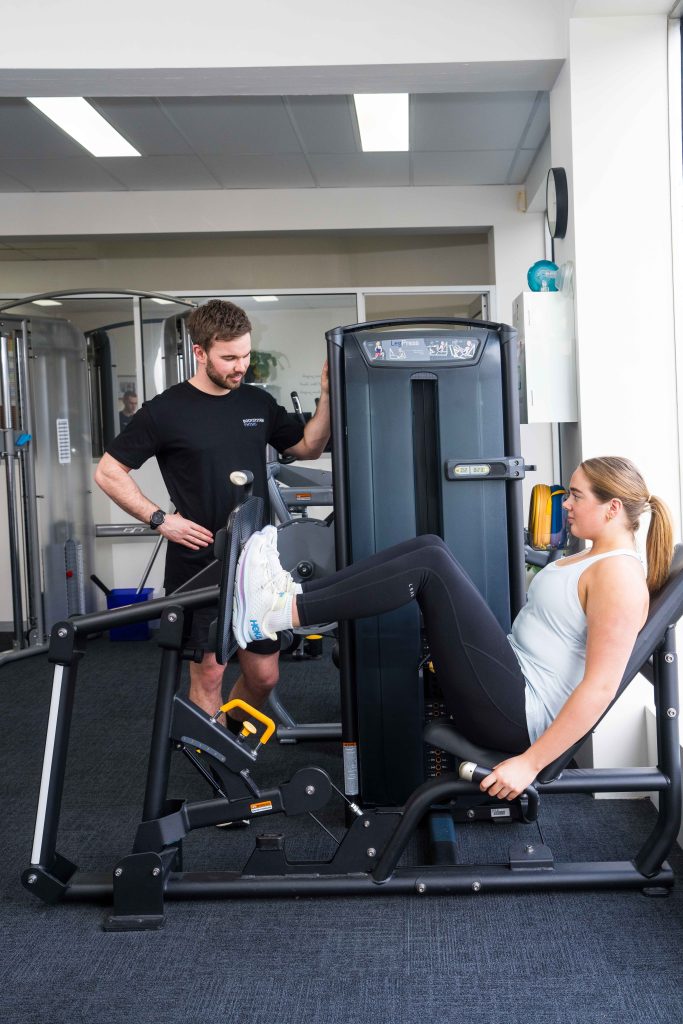
Strength and stability training around these lower body joints is fundamental to ensuring they are strong enough to repetitively produce high quality movement without putting undue stress on these joints. This strength training should be designed to strengthen the joint through its whole range and gradually expose the joint to loads greater than it will need to produce when dancing. This will ensure the joint is strong enough to produce correct technique repetitively through an entire dance class or performance.
Traditionally, dancers have not wanted to participate in strength training due to a fear of losing their flexibility. But if strength training is completed through the whole range of a joint, it will help increase dynamic flexibility as the body feels strong enough and allow the joint to move into those outer ranges safely. A great example of this is by The Australian Ballet when they started working on calf strength rather than calf stretching. This change resulted in a significant reduction in lower leg injuries and improved performance through the foot and ankle (The Australian Ballet, 2020).
How can fatigue management help reduce injury risk?
Being strong and well-conditioned is only one part of the puzzle. A tired body and mind are also significant risk factors for injuries in dance.
Fatigue management and recovery is fundamental in dance. Being a dancer often involves training for many hours at a time and during a week. Fatigue can build not only from this physical load, but also from the mental load of both dance classes and external life demands. Due to the high levels of coordination and complex motor skills required when dancing, mental fatigue can result in movement errors that increase injury risk just as much as physical fatigue can.
Ensuring a dancer is getting enough sleep is a key factor in reducing both physical and mental fatigue. Just like any other sport, research has shown that athletes sleeping less than 8 hours a night are 1.7 times more likely to sustain an injury. As well as reducing fatigue, adequate sleep allows the body to repair itself from the demands of the day, regenerate tissue, regulate hormones, and optimize the immune system all of which aid in reducing injury risk.
How can we help reduce your risk?
Each dancer is an individual, and so are their injury prevention strategies.
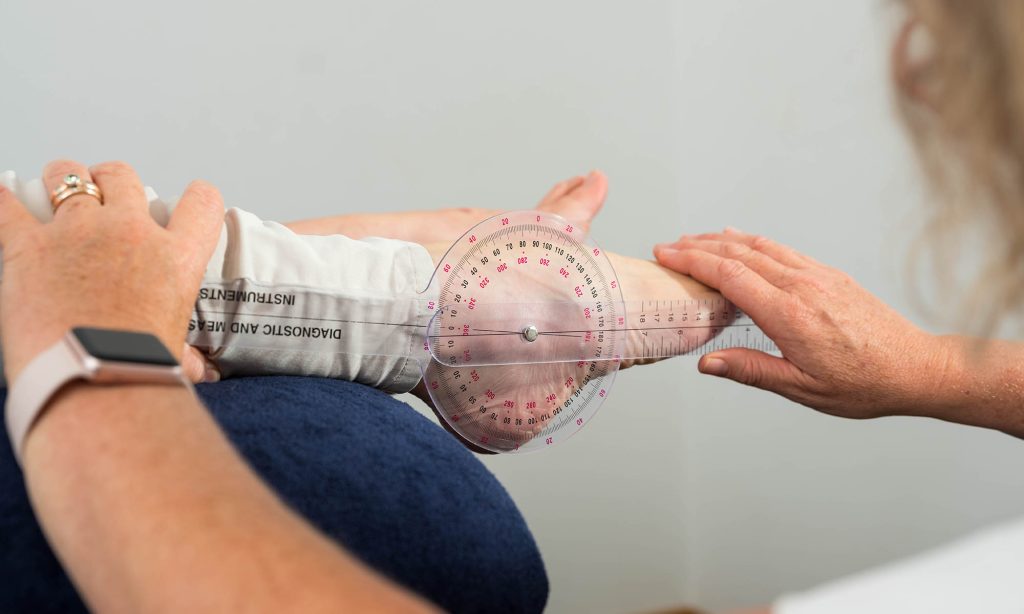
BODYSYSTEM provides Dance Screens that can be used to identify areas which may be more prone to injury or where strength, stability and recovery can be improved.
This can be for any dancer at any time but is particularly encouraged as a pre-pointe screen before a ballet dancer transitions on to pointe.
References:
Cunha, L.A., Costa, J.A., Marques, E.A. et al. (2023). The Impact of Sleep Interventions on Athletic Performance: A Systematic Review. Sports Med – Open 9, 58.
Critchley, M., Rio, E., Emery, C. (2025). Injury Prevention Strategies in Dance: A Systematic Review.
Journal of Dance Medicine and Science, Volume 30, Issue 1.
Haskell, B., Eiler, A., & Essien, H., (2025). Sleep Quality and Cognitive Skills Impact Neurocognitive Function and Reduce Sports-Related Injury Risk. Arthroscopy, Sports Medicine and Rehabilitation, Volume 7, Issue 2.
Lei, Y., Wang, Q., Tang, J. et al. (2025). Dance-Related Injuries: An Evidence-Based Review of Epidemiology, Mechanisms, and Prevention Strategies. Curr Phys Med Rehabil Rep 13, 49.
Milewski, M., Skaggs, D., Bishop, G., Pace, J., Ibrahim, D., Wren, T., Barzdukas, A., (2014). Chronic Lack of Sleep is Associated With Increased Sports Injuries in Adolescent Athletes. Journal of Pediatric Orthopaedics 34(2),129-133.
The Australian Ballet (2020). How to Get Strong Calves | The Australian Ballet (online).

Carmen Woodmansee
APA Titled Musculoskeletal Physiotherapist