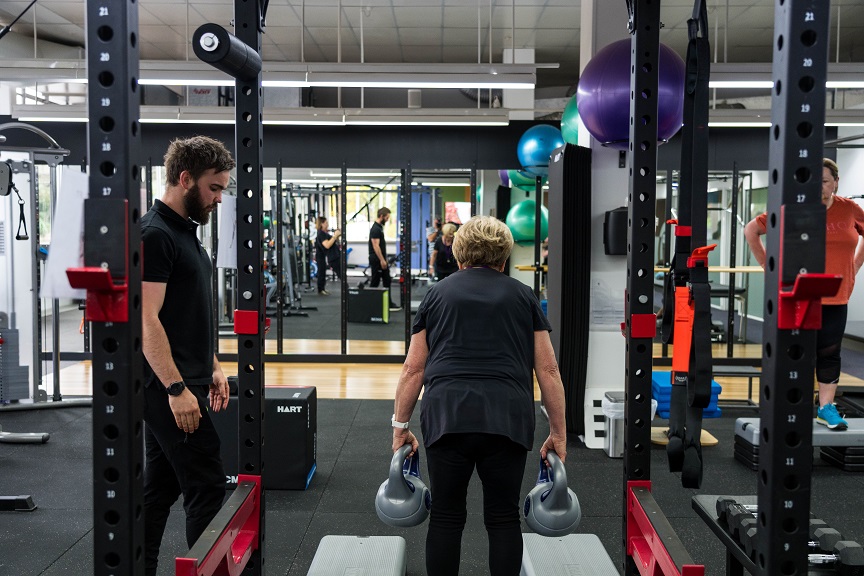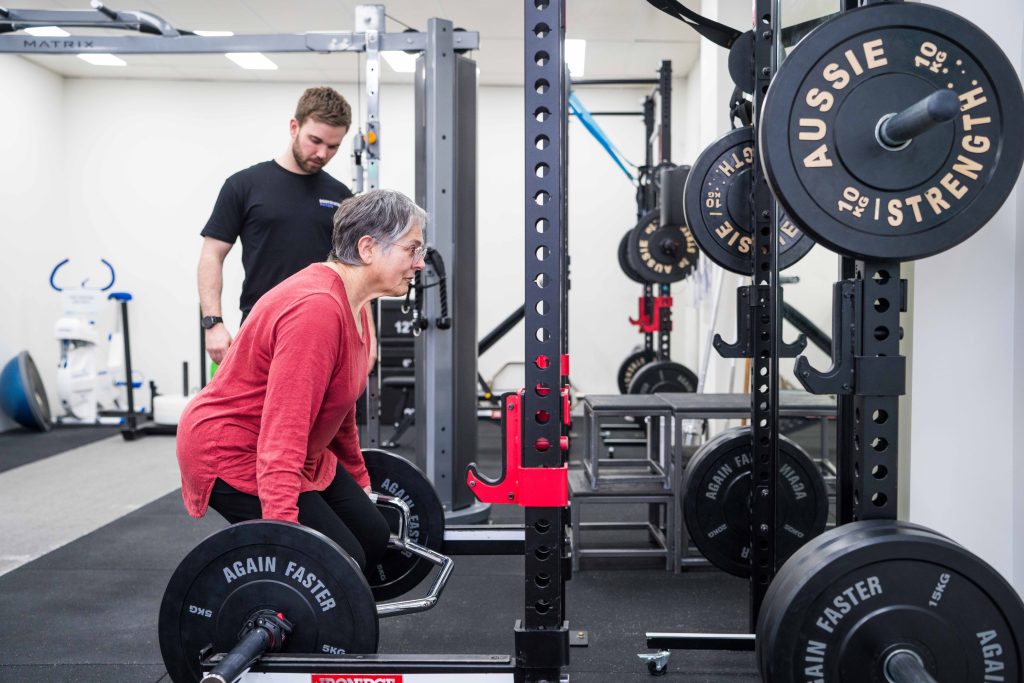
Aging is often associated with declining muscle mass, reduced mobility, and increased risk of chronic disease. But these outcomes are not inevitable. Strength training—also known as resistance training—is one of the most effective, evidence-based strategies older adults can use to maintain independence, improve health, and enhance quality of life.
Why Strength Training Matters as We Age
1. Preserving Muscle Mass and Strength
From around age 30, adults begin to lose muscle mass in a process known as sarcopenia.
This accelerates after 60, leading to weakness, slower movement, and higher falls risk. Strength training directly counteracts this decline by stimulating muscle protein synthesis, helping maintain—or even rebuild—lean muscle.
2. Improving Functional Independence
Daily activities like climbing stairs, carrying groceries, or getting up from a chair require strength. Resistance training improves these functional abilities, allowing older adults to live independently for longer.
3. Enhancing Bone Density
Strength training places mechanical stress on bones, which stimulates bone remodelling. This is critical for preventing osteoporosis and reducing fracture risk.
4. Reducing Fall Risk
Improved muscle strength, balance, and coordination significantly lower the likelihood of falls—a leading cause of injury in older populations.
5. Supporting Metabolic and Cardiovascular Health
Resistance training helps regulate blood glucose, improves insulin sensitivity, and contributes to healthier body composition. It also supports cardiovascular health, particularly when combined with aerobic exercise.
6. Boosting Mental Health and Cognitive Function
Strength training has been linked to reduced symptoms of depression and anxiety, as well as improvements in cognitive function, including memory and executive processing.
The Role of Myokines: Muscles as Endocrine Organs
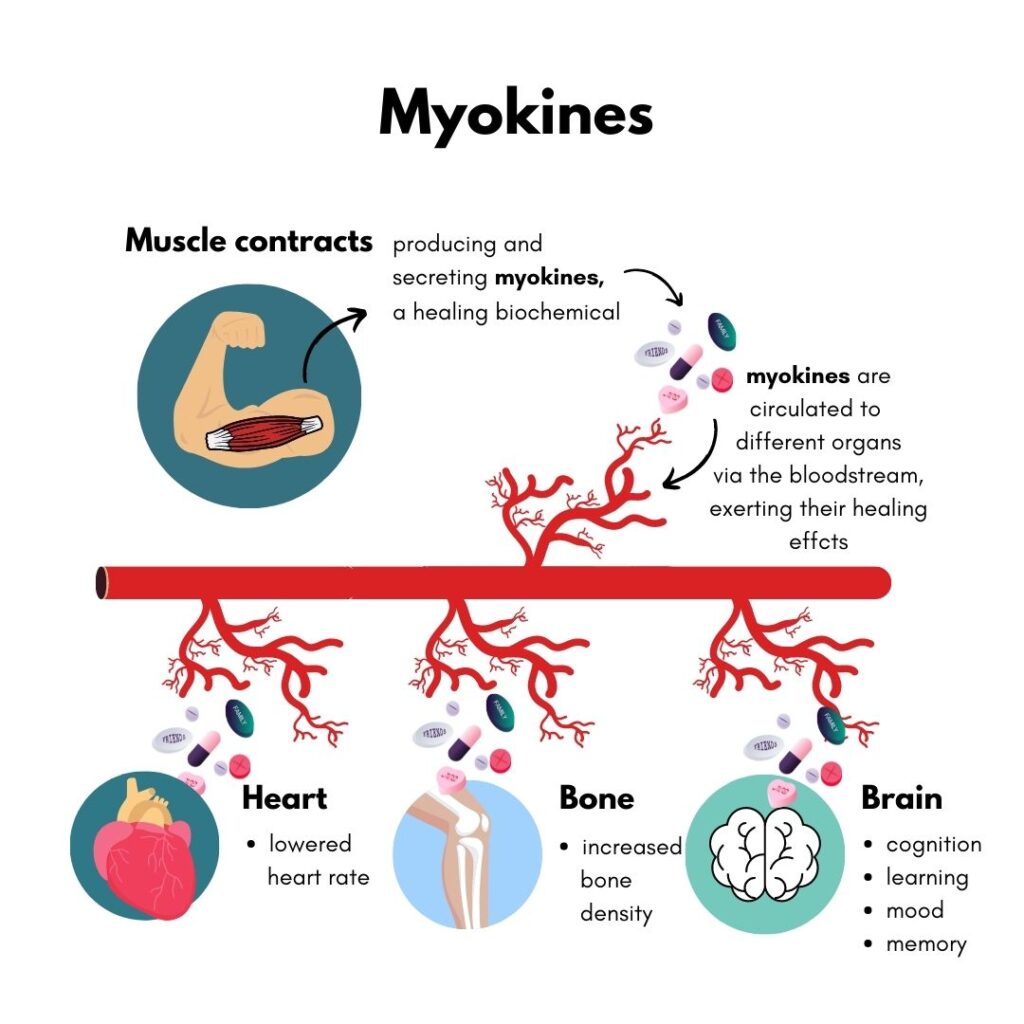
Skeletal muscle is not just for movement—it’s also an endocrine organ that releases signalling molecules called myokines during contraction.
What Are Myokines?
Myokines are proteins secreted by muscle fibres in response to exercise. They act locally and systemically, influencing multiple organs including the brain, liver, fat tissue, and immune system.
Key Benefits of Myokines in Older Adults
- Anti-inflammatory effects: Help counteract chronic low-grade inflammation associated with aging (“inflammaging”).
- Metabolic regulation: Improve insulin sensitivity and fat metabolism.
- Neuroprotection: Support brain health and may reduce risk of neurodegenerative diseases.
- Muscle-bone crosstalk: Promote bone formation and remodelling.
Regular strength training increases the release of beneficial myokines, making it a powerful tool not just for physical strength, but whole-body health.
Key Training Variables for Older Adults
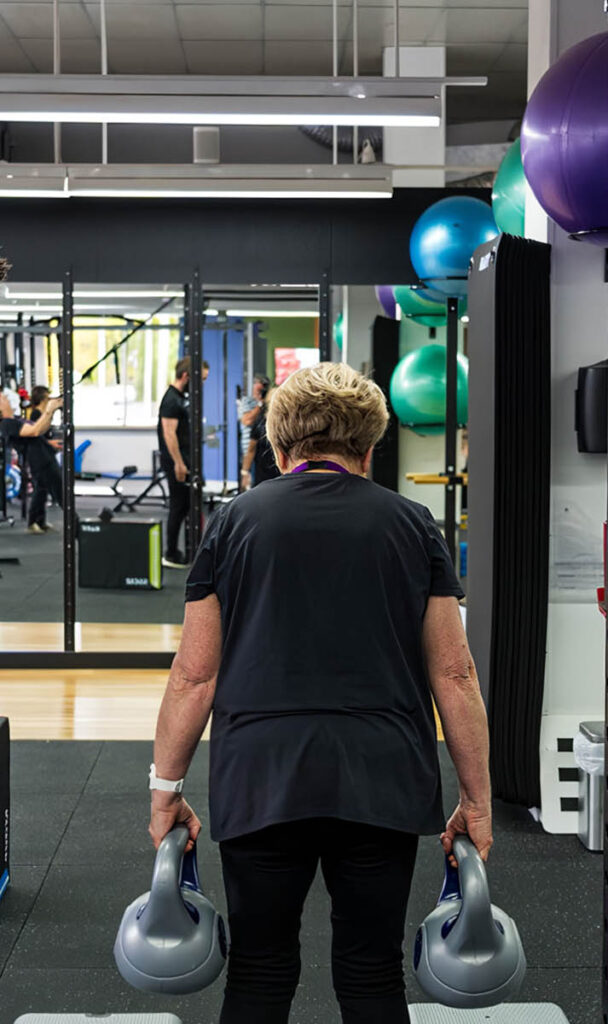
Designing an effective strength program involves manipulating several variables. Here’s how to apply them safely and effectively:
- Frequency
- Recommendation: 2–3 sessions per week
- Allows adequate recovery while maintaining consistency
- Intensity (Load)
- Beginner: 40–50% of one-repetition maximum (1RM)
- Intermediate/Advanced: 60–80% of 1RM
- Use a perceived exertion scale (e.g., moderate to hard effort)
- Volume (Sets and Repetitions)
- Sets: 1–3 per exercise (progress to 2–3)
- Reps: 8–15 per set
- Focus on controlled, quality movements
- Exercise Selection
- Prioritize compound movements (e.g., squats, rows, presses)
- Include:
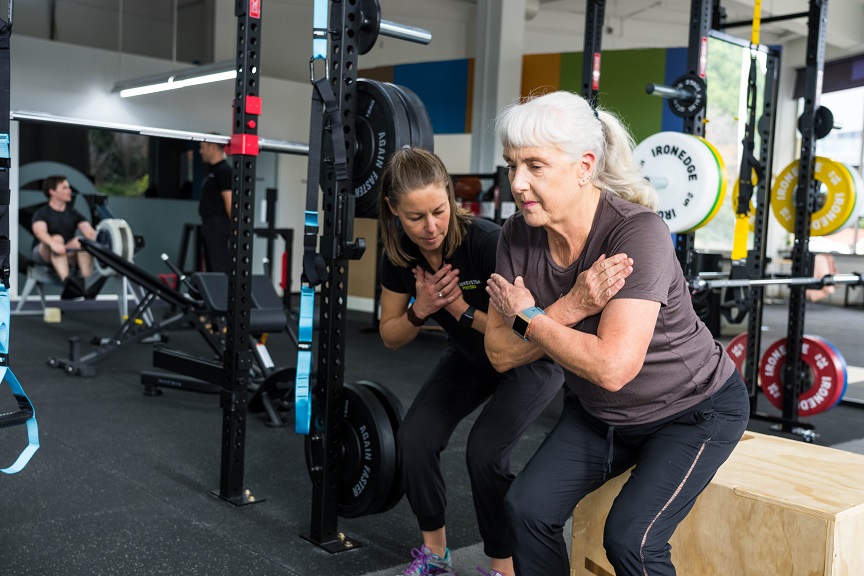
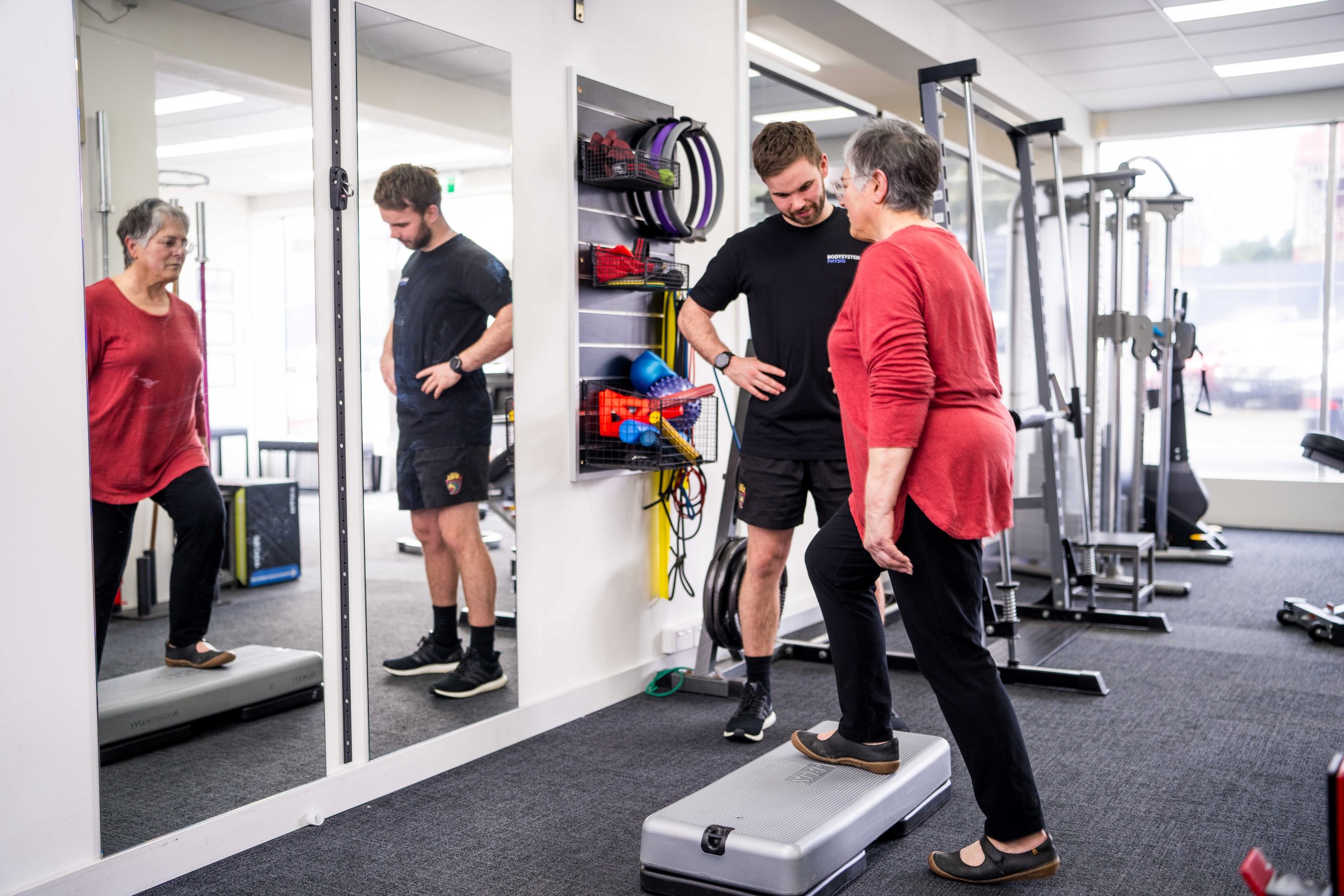
- Lower body (e.g., sit-to-stand, step-ups)
- Upper body (e.g., pushing and pulling exercises)
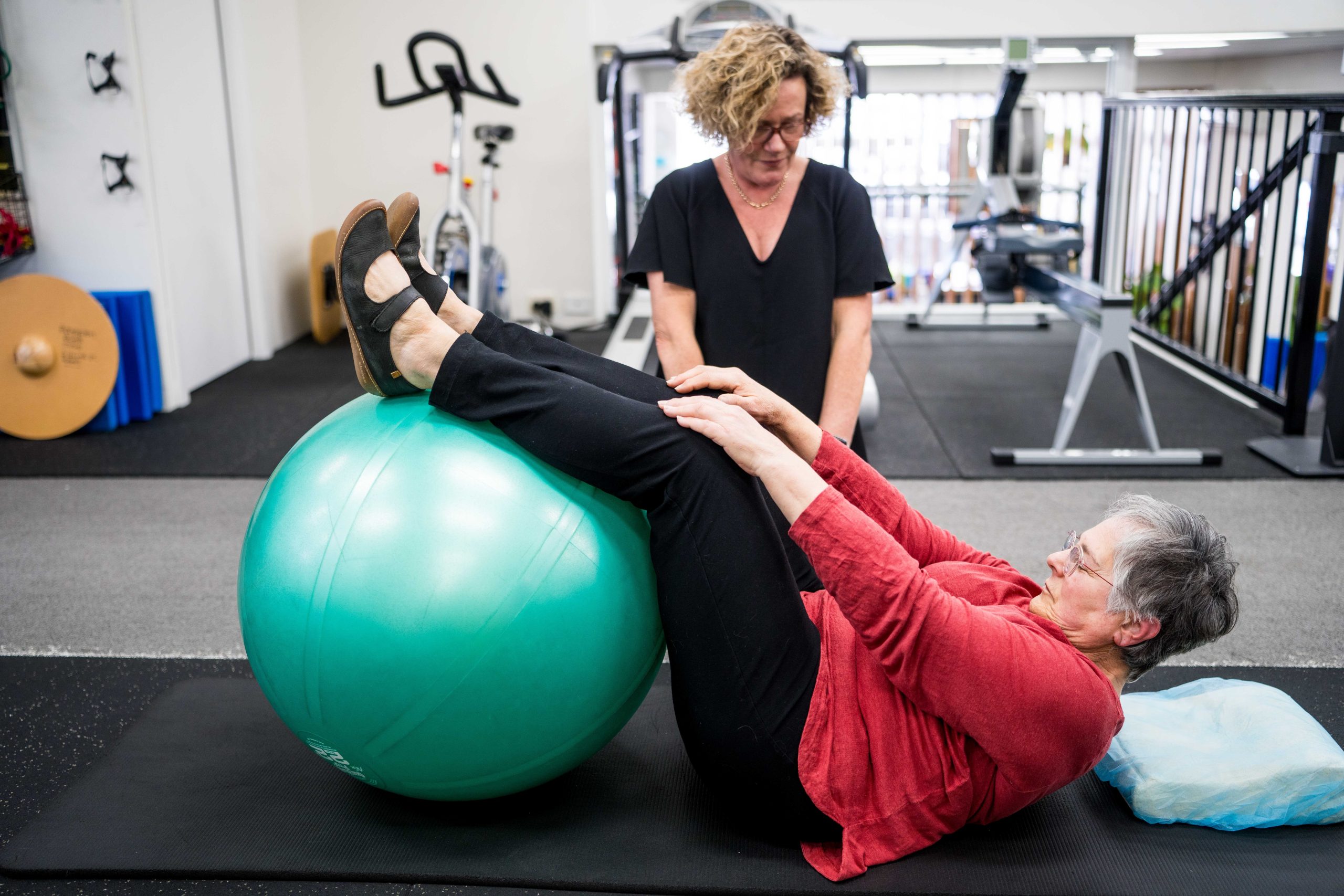
- Trunk (e.g., bracing, anti-rotation exercises)
- Rest Intervals
- 1–2 minutes between sets
- Longer rest may be needed for beginners or higher intensities
- Progression
- Gradually increase resistance, repetitions, or sets
- Progress when exercises feel easier and form is maintained
Stronger for Longer Group Exercise Class
BODYSYSTEM offer a 1-hour group circuit class designed to negate the major deficits we face due to aging. This class includes strength exercises for all the major muscle groups along with balance exercises and impact loading for our bones. Benefits move beyond physical health as many of our client’s report improved mental health and social well-being.
Final Thoughts
Strength training is one of the most powerful interventions available to support healthy aging. It not only improves muscle strength and physical function but also triggers beneficial biological processes—like the release of myokines—that protect against chronic disease and cognitive decline.
It’s never too late to start. With the right approach and progression, older adults can build strength, confidence, and resilience—enhancing both lifespan and health span.

Darren McNees
ESSA Accredited Exercise Physiologist